
Decatur Hoarding Cleanup Services
Choose our Hoarding Cleanup services for discreet, respectful, and thorough restoration—helping you reclaim your home with care, understanding, and professionalism.
Get a Free QuoteOur Decatur Junk Removal Services
Hoarding Cleanup in Decatur, GA – Local Service Guide
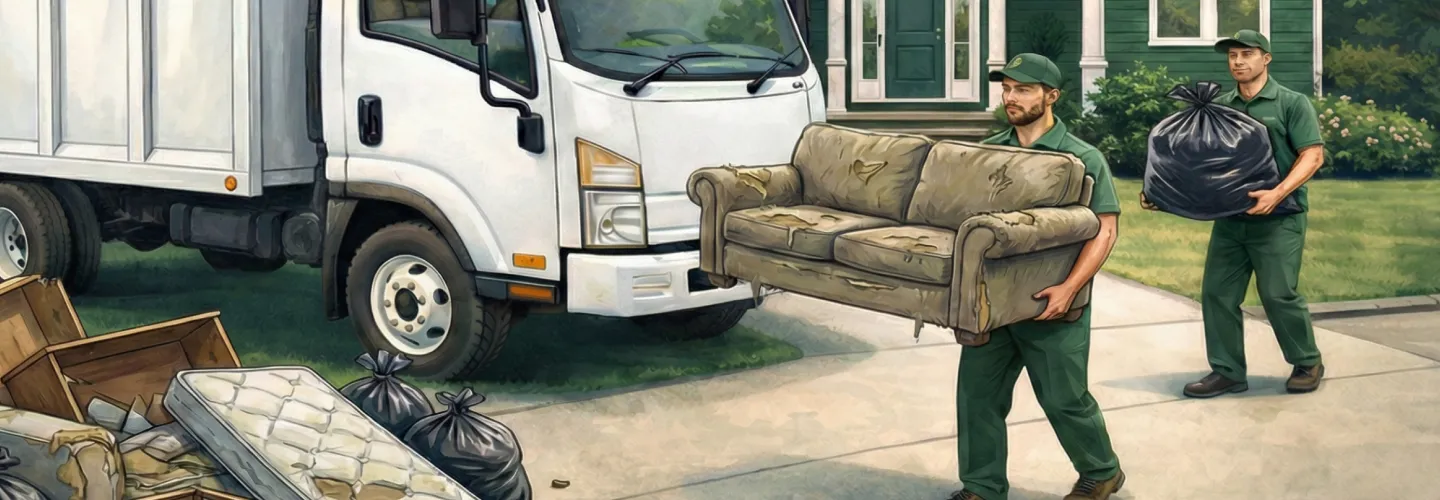
Hoarding cleanup in Decatur, GA requires a sensitive, strategic approach tailored to the city’s unique neighborhoods and property types. In areas like Oakhurst and Winnona Park, residential hoarding often involves large volumes of furniture, mattresses, and appliances accumulated over years. Seasonal triggers—such as spring cleanouts or post-storm debris—can prompt urgent removal needs, especially in flood-prone basements or tree-lined yards. Local disposal options include donation, recycling, or city-approved waste facilities, but access and weather can impact logistics, particularly for oversized items or properties with limited entry points.
Commercial hoarding scenarios in downtown Decatur or near the East Lake MARTA station may involve offices, restaurants, or medical spaces, each with distinct operational requirements and privacy concerns. Specialty cleanups—like estate, foreclosure, or construction debris—demand careful planning, coordination with property managers, and adherence to city regulations. For all categories, understanding local schedules and disposal rules is essential. For more on local guidelines, visit the Decatur Public Works Department.
Benefits of Hoarding Cleanup in Decatur
Compassionate and Discreet Service
Certified Cleanup Professionals
Fast and Reliable Response
Thorough Sanitization and Odor Removal
Customized Cleanup Plans
Safe Disposal of Hazardous Materials
Coordinating Hoarding Cleanup with Decatur's Code Enforcement and Public Health Authorities
Hoarding situations in Decatur often involve code enforcement action initiated through the City of Decatur's Community Development Department. Properties identified as hoarding cases may violate local property maintenance codes, fire safety standards, and health regulations. Coordination between cleanup crews and municipal authorities is essential to ensure full compliance and avoid repeated violations.
- Code violations may include blocked egress points, structural overloading, pest infestations, and accumulated refuse visible from public rights-of-way
- Fire safety concerns require coordination with the Decatur Fire Department, which enforces clearance requirements around electrical panels, water heaters, and exits
- Inspection scheduling should be arranged through Community Development to confirm post-cleanup compliance before case closure
- Documentation of pre-cleanup and post-cleanup conditions is recommended for code enforcement records and potential legal proceedings
- Residents facing code enforcement deadlines should contact the city promptly to discuss remediation timelines
Decatur Community Development Department
509 N. McDonough Street, Decatur, GA 30030
Phone: (404) 370-4100
Official Website: Decatur Community Development
Decatur Fire Department
330 W. Ponce de Leon Avenue, Decatur, GA 30030
Phone: (404) 370-4461
Official Website: Decatur Fire Department
Biohazard and Hazardous Material Disposal Requirements for Decatur Hoarding Cases
Hoarding environments frequently contain biohazardous materials including animal waste, spoiled food, medical sharps, and mold-contaminated items. Georgia law classifies these materials under regulated waste streams that require specialized handling and disposal. The Georgia Environmental Protection Division oversees solid waste management regulations statewide, including requirements for hazardous and special waste disposal.
- Biohazardous waste such as blood-borne pathogen materials and animal remains must be disposed of through licensed medical or biohazard waste transporters—not through standard municipal collection
- Mold-contaminated materials including drywall, carpet, and upholstered furniture should be double-bagged in heavy-duty plastic and sealed before transport to prevent spore dispersal
- Household hazardous waste including old paint, solvents, pesticides, and cleaning chemicals found in hoarding properties cannot be placed in regular trash; DeKalb County operates periodic Household Hazardous Waste collection events for proper disposal
- Sharps and medical waste require puncture-resistant containers and licensed disposal through approved facilities
- Refrigerant-containing appliances found in hoarding properties require certified refrigerant recovery per EPA Section 608 regulations before disposal
Workers handling biohazardous materials must use appropriate personal protective equipment including respirators, gloves, and protective suits in accordance with OSHA bloodborne pathogen standards (29 CFR 1910.1030).
Georgia Solid Waste Management Act Compliance for Hoarding Cleanup Disposal
All waste generated during hoarding cleanup in Decatur must be disposed of in accordance with the Georgia Comprehensive Solid Waste Management Act (O.C.G.A. § 12-8-20) and local ordinances. Improper disposal—including illegal dumping of hoarding debris on vacant lots, in waterways, or in unauthorized containers—carries significant penalties under both state and municipal law.
- Solid waste transport requires use of covered vehicles to prevent debris from scattering during transit; open loads on public roadways may result in citations
- Disposal facilities must hold valid Georgia EPD solid waste handling permits; haulers should verify facility authorization before delivering loads
- Electronics found in hoarding properties, including old televisions, computers, and monitors, should be separated and directed to certified e-waste recyclers rather than landfills
- Scrap metal and appliances should be separated for recycling at licensed scrap facilities to support landfill diversion
- Tires accumulated in hoarding situations are subject to Georgia's tire disposal regulations and cannot be disposed of in standard landfills without proper authorization
Decatur's Environmental Sustainability Board provides guidance on waste reduction and recycling initiatives that align with responsible hoarding cleanup practices.
Stormwater Protection and Debris Containment During Decatur Hoarding Cleanouts
Hoarding cleanup projects in Decatur must comply with local stormwater management regulations to prevent pollutants from entering the city's storm drain system. Accumulated debris, chemicals, and contaminated materials removed from hoarding properties pose environmental risks if not properly contained during the removal process.
- Debris staging areas on driveways or yards must be covered or contained to prevent wind-blown materials from reaching storm drains or neighboring properties
- Liquid waste including old cleaning products, paints, and unknown chemicals must never be poured into storm drains, gutters, or yard areas
- Wash water from cleaning contaminated surfaces should be captured and disposed of through sanitary sewer systems, not storm drains
- Sediment and dust control measures such as wetting down dry debris piles help prevent particulate matter from entering waterways
- Decatur's stormwater ordinance requires that all construction and cleanup activities prevent discharge of pollutants into the municipal separate storm sewer system (MS4)
For questions regarding stormwater compliance during large-scale cleanup operations, contact the city's engineering division.
Decatur Engineering Division – Stormwater Management
509 N. McDonough Street, Decatur, GA 30030
Phone: (404) 370-4100
Official Website: Decatur Stormwater Information
Sorting, Recycling, and Donation Protocols for Salvageable Items in Decatur Hoarding Properties
Responsible hoarding cleanup in Decatur involves systematic sorting of accumulated items to maximize recycling, donation, and proper disposal. Many hoarding properties contain salvageable furniture, clothing, electronics, and household goods that can be diverted from landfills through local reuse programs.
- Furniture and household goods in usable condition may be donated to organizations such as the DeKalb County Habitat for Humanity ReStore or local charitable thrift stores that accept scheduled drop-offs
- Clothing and textiles should be separated and bagged for donation or textile recycling; contaminated or mold-damaged textiles must be disposed of as solid waste
- Electronics including computers, printers, and televisions should be directed to certified e-waste recyclers; the Georgia Environmental Protection Division maintains guidance on proper electronics disposal
- Scrap metal including old appliances, bed frames, and metal shelving can be recycled at licensed scrap metal facilities
- Paper, cardboard, and plastics should be separated according to DeKalb County's recycling guidelines when materials are clean and uncontaminated
- Prescription medications found during cleanup should be disposed of through DEA-authorized drug take-back programs or local pharmacy drop-off locations—never flushed or placed in household trash
Decatur Public Works Department
509 N. McDonough Street, Decatur, GA 30030
Phone: (404) 370-4100
Official Website: Decatur Public Works Department
What Neighborhoods Do We Serve Throughout Decatur, GA?
- Oakhurst: This historic neighborhood features early 20th-century bungalows and Craftsman homes with narrow hallways and limited attic access. Pre-1978 construction may require lead paint assessment under the EPA Renovation, Repair, and Painting Rule during extensive hoarding cleanup and restoration work.
- Winnona Park: Characterized by single-family homes on tree-lined streets, this neighborhood's mature canopy and narrow residential roads may limit large truck access. Crews should plan for curbside staging and coordinate with the city regarding right-of-way use for extended cleanup projects.
- Great Lakes: This residential area includes a mix of mid-century ranch homes and split-levels with basement and crawlspace storage areas commonly affected in hoarding situations. Basement access for heavy item removal may require specialized equipment.
- Glennwood Estates: Featuring larger lot sizes and wider driveways, this neighborhood generally accommodates cleanup vehicle access. However, proximity to residential neighbors requires attention to noise ordinances and debris containment during multi-day projects.
- MAK Historic District: Properties within Decatur's designated historic districts may require coordination with the Decatur Planning Department if exterior modifications or structural repairs are needed following hoarding remediation. Historic preservation review may apply to visible exterior changes.
- Downtown Decatur: Mixed-use properties and multi-story buildings near the city center present elevator access requirements and loading zone coordination. Street parking limitations may necessitate advance arrangements with the city for temporary loading permits during large-scale cleanouts.