
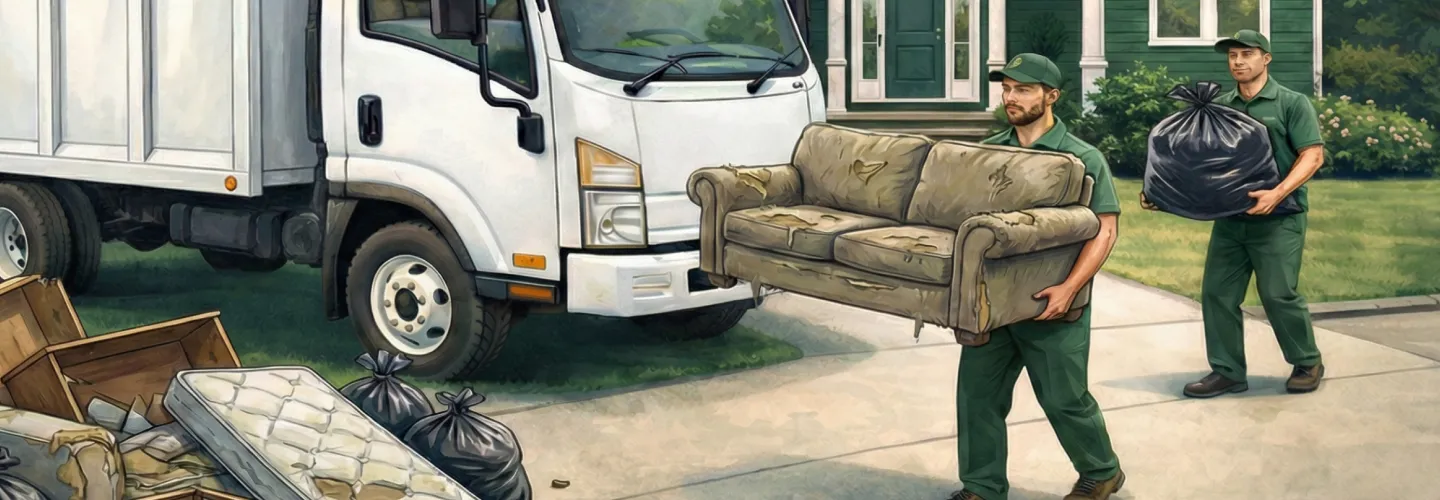
Decatur Bulk Trash Pickup Services
Choose our Bulk Trash Pickup for reliable, hassle-free service that keeps your property clean and clutter-free—saving you time, effort, and ensuring responsible disposal every time.
Get a Free QuoteOur Decatur Junk Removal Services
Bulk Trash Pickup in Decatur, GA – Local Service Guide
Bulk trash pickup in Decatur, GA is essential for residents and businesses managing large or unusual waste. In neighborhoods like Oakhurst and Winnona Park, residents often schedule pickups during spring cleanouts, after home renovations, or when replacing large items such as mattresses, appliances, or hot tubs. Local disposal options include donation, recycling, or city-approved disposal, with logistics shaped by property access, weather, and item size. For residential spaces—garages, basements, attics, and yards—seasonal drivers like storm debris or leaf cycles prompt increased demand, especially in areas with heavy tree coverage or flood-prone lots. Commercial clients in downtown Decatur, medical corridors, and retail centers require discreet, timely pickups for office furniture, restaurant equipment, or construction debris, often on a recurring basis. Specialty services, such as dumpster rentals or estate cleanouts, are coordinated for foreclosures, hoarding, or major renovations, requiring careful planning and compliance with city guidelines. For details on local rules and scheduling, visit the Decatur Public Works Department.
Key Considerations for Bulk Trash Pickup in Decatur
- Timing pickups around city schedules and neighborhood events
- Securing permits for large or specialty items
- Using approved disposal and recycling channels
- Ensuring clear access for collection vehicles
- Estimating volume and categorizing items correctly
- Coordinating with city resources for specialty or high-volume needs
Benefits of Bulk Trash Pickup in Decatur
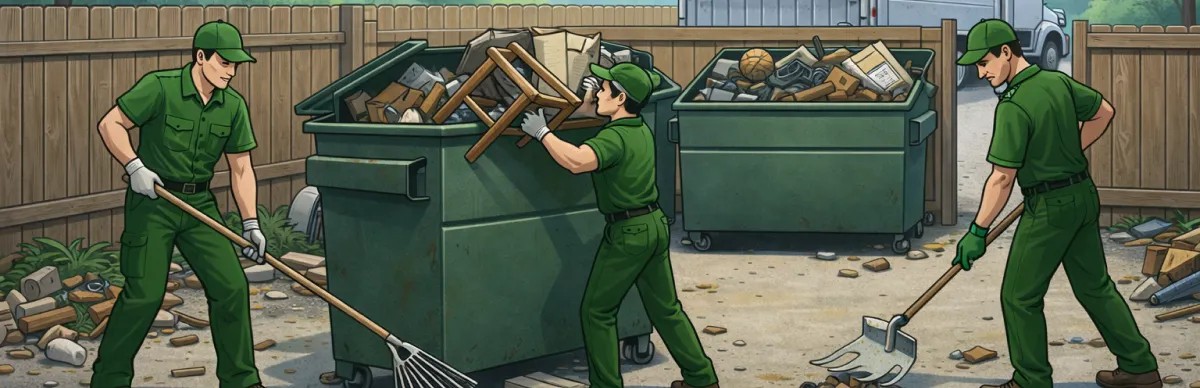
Convenient Scheduling Options
Reliable On-Time Service
Eco-Friendly Disposal Methods
Affordable Bulk Pickup Rates
Experienced Local Team
Safe and Efficient Removal
Coordinating Bulk Trash Pickup with Decatur's Public Works Department
Decatur's Public Works Department oversees residential sanitation services, including bulk trash collection for oversized household items that do not fit in standard curbside bins. Residents must schedule bulk pickups in advance by contacting the department directly. Items eligible for collection typically include furniture, large appliances (with refrigerant properly removed), mattresses, and other non-hazardous household goods. Key preparation requirements include:
- Curbside placement must occur the evening before or morning of the scheduled collection day
- Prohibited items include hazardous waste, construction debris, tires, and automotive parts
- Separation of recyclable metals and electronics from general bulk waste is strongly encouraged
- Yard waste must be kept separate from bulk trash and bundled or bagged according to city guidelines
- Items should not block sidewalks, fire hydrants, or stormwater drainage infrastructure
Residents should confirm current scheduling procedures and any item limits directly with the department.
Decatur Public Works Department
128 S. Candler Street, Decatur, GA 30030
Phone: (404) 377-5571
Official Website: Decatur Public Works Department
Georgia's Solid Waste Management Act and Decatur Disposal Compliance
All bulk trash disposal in Decatur must comply with the Georgia Comprehensive Solid Waste Management Act (O.C.G.A. § 12-8-20) administered by the Georgia Environmental Protection Division (GA EPD). This state law establishes standards for solid waste handling, transportation, and disposal that directly affect how bulk items are managed at the municipal level. Decatur residents and haulers should be aware of the following regulatory requirements:
- Illegal dumping of bulk items on roadsides, vacant lots, or waterways is a violation subject to fines and criminal penalties under Georgia law
- Appliances containing refrigerants (refrigerators, air conditioners, freezers) require certified refrigerant recovery per EPA Section 608 regulations before disposal
- Lead-containing materials from pre-1978 homes must follow EPA Lead-Safe Renovation Rule protocols
- Tires are banned from Georgia landfills and must be taken to licensed tire recyclers
- Electronics should be diverted from landfills through county or regional e-waste collection programs
Violations of state solid waste regulations may result in penalties ranging from civil fines to misdemeanor charges.
Prohibited Materials and Hazardous Waste Restrictions for Decatur Bulk Pickup
Not all items qualify for Decatur's bulk trash collection program. Certain materials are classified as hazardous or require specialized handling and cannot be placed curbside. Residents must identify and properly separate these items before scheduling pickup. The following materials are generally prohibited from bulk trash collection:
- Household hazardous waste: paints, solvents, pesticides, motor oil, antifreeze, and cleaning chemicals
- Batteries: lead-acid automotive batteries and lithium-ion rechargeable batteries require retail takeback or designated drop-off
- Propane tanks and gas cylinders: pressurized containers pose explosion risks and must be returned to suppliers or taken to hazardous waste facilities
- Medical waste and sharps: needles, syringes, and biohazard materials require specialized disposal through pharmacy or health department programs
- Construction and demolition debris: concrete, drywall, roofing materials, and lumber typically require separate hauling to licensed C&D landfills
DeKalb County operates periodic Household Hazardous Waste collection events where Decatur residents can dispose of these restricted materials at no charge. Contact DeKalb County Sanitation for upcoming event dates and accepted items.
Decatur Environmental Sustainability Board
128 S. Candler Street, Decatur, GA 30030
Phone: (404) 370-4100
Official Website: Decatur Environmental Sustainability Board
Recycling and Donation Alternatives Before Scheduling Decatur Bulk Trash Removal
Before placing items at the curb for bulk trash collection, Decatur residents should evaluate whether materials can be recycled, donated, or repurposed. The city's Environmental Sustainability Board promotes waste diversion and landfill reduction as part of Decatur's broader sustainability goals. Prioritizing reuse and recycling reduces environmental impact and supports community organizations. Consider the following alternatives:
- Furniture in usable condition can be donated to local organizations such as Habitat for Humanity ReStore or Salvation Army, which accept couches, tables, dressers, and chairs
- Working appliances may be accepted by appliance recyclers or donated to nonprofit housing programs
- Scrap metal (bed frames, shelving, grills) can be taken to licensed scrap metal facilities for material recovery
- Electronics including computers, monitors, printers, and televisions should be taken to certified e-waste recyclers rather than placed in bulk trash
- Mattresses and box springs can often be recycled through regional mattress recycling programs, diverting foam, steel, and fabric from landfills
Donation receipts may qualify for tax deductions; consult a tax professional for eligibility.
Permit and Code Enforcement Considerations for Bulk Trash in Decatur
Residents undertaking large-scale cleanouts, renovations, or estate clearances in Decatur should be aware of permit and code enforcement requirements that may apply to bulk waste removal activities. The Decatur Community Development Department oversees building permits and code compliance, while the Planning Department administers zoning and historic preservation regulations. Important considerations include:
- Renovation or demolition projects generating bulk debris may require a building permit from the Permits and Zoning Division
- Extended curbside placement of bulk items beyond the scheduled pickup window may trigger code enforcement action
- Historic district properties in Decatur may have additional review requirements for exterior modifications that generate bulk waste
- Stormwater protection: bulk items must not obstruct drainage channels or contribute to stormwater pollution
- Right-of-way obstructions: items placed on sidewalks, bike lanes, or roadways outside of approved collection times may result in citations
Decatur Community Development Department
128 S. Candler Street, Decatur, GA 30030
Phone: (404) 370-4100
Official Website: Decatur Community Development
What Neighborhoods Do We Serve Throughout Decatur, GA?
- Oakhurst: This walkable neighborhood features early 20th-century bungalows and Craftsman homes, many with narrow driveways and mature tree canopy that may affect curbside placement. Residents should ensure bulk items do not block the neighborhood's pedestrian-friendly sidewalks during collection.
- Winnona Park: Characterized by single-family homes on tree-lined streets, this area sees frequent estate cleanouts and downsizing projects. Older homes built before 1978 may contain lead paint, requiring careful handling of painted furniture and fixtures.
- Great Lakes: A residential neighborhood with mid-century ranch-style homes and wider lot setbacks. Driveway access is generally straightforward, though cul-de-sac streets may limit large truck turning radius for bulk hauling services.
- Lenox Place: This historic district features homes dating to the 1920s with narrow lot widths and limited side-yard access. Historic preservation guidelines may apply to renovation debris, and residents should consult the Planning Department before exterior work.
- Glennwood Estates: A neighborhood of single-family homes with moderate lot sizes and standard street widths. Seasonal yard cleanups and garage cleanouts generate common bulk items including old furniture, appliances, and yard equipment.
- MAK Historic District: One of Decatur's designated historic areas with distinctive architectural character. Bulk removal from renovation projects may require coordination with the city's historic preservation review process to ensure compliance with district guidelines.