
Decatur Basement & Attic Cleaning Services
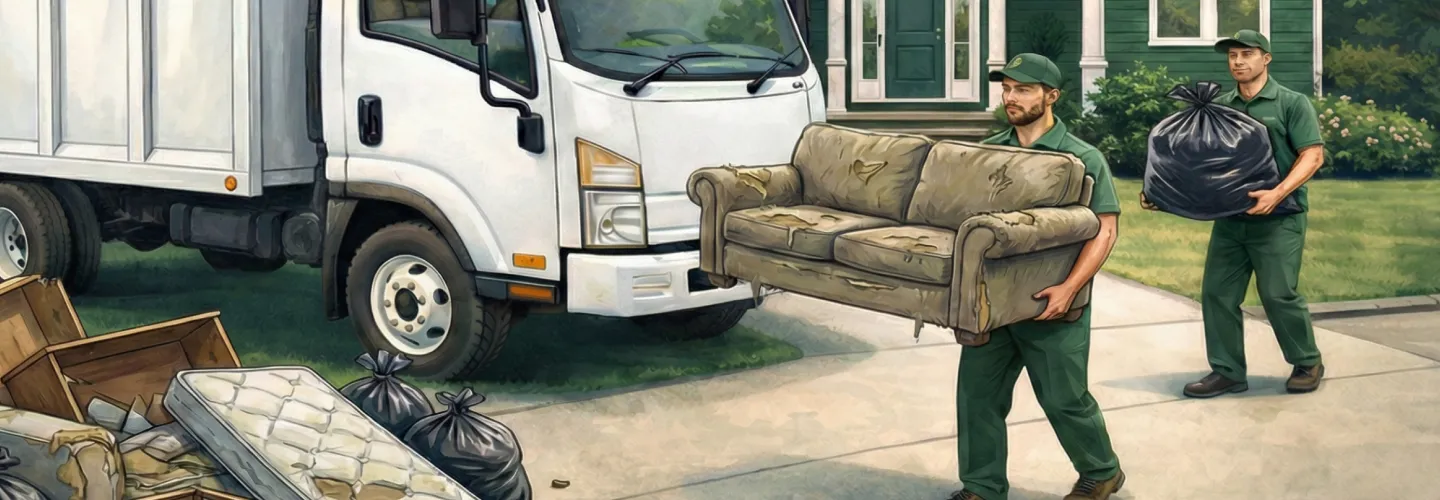
Choose our expert basement and attic cleaning services for a healthier, clutter-free home—our experienced team removes dust, debris, and allergens, ensuring your storage spaces are spotless, safe, and ready for use.
Get a Free QuoteOur Decatur Junk Removal Services
Basement & Attic Cleaning in Decatur, GA – Local Service Guide
Basement and attic cleaning in Decatur, GA is essential for maintaining healthy, functional homes—especially in neighborhoods like Oakhurst and Winnona Park, where older properties often face seasonal clutter and moisture issues. Residents typically schedule cleanouts during spring or fall, after heavy rains, or when preparing for renovations and life transitions such as moving or downsizing. Local disposal options include donation centers for reusable items, recycling for electronics and scrap metal, and city-approved waste services for bulk debris. Access can be challenging in tight or multi-story homes, and weather can impact scheduling, especially during humid summers or stormy periods. For larger items like appliances or pianos, professional removal is recommended to ensure safe handling and compliance with local disposal rules. Commercial properties in downtown Decatur may require discreet, after-hours service to minimize disruption, while specialty cleanouts—such as estate or hoarding situations—demand careful planning and coordination with property managers or family members. For guidance on local regulations and approved disposal channels, consult the Decatur Public Works Department.
Key Considerations for Basement & Attic Cleaning in Decatur
- Timing cleanouts around seasonal weather and local events
- Checking for required permits or special disposal rules
- Using city-approved recycling and donation channels
- Planning for limited access in historic or multi-level homes
- Estimating volume for proper scheduling and equipment
- Coordinating with professionals for specialty or large-item removal
Benefits of Basement & Attic Cleaning in Decatur
Improved Indoor Air Quality
Enhanced Home Safety
Increased Storage Space
Prevention of Mold and Pests
Boosted Property Value
Professional and Reliable Service
Coordinating Basement and Attic Cleanout Debris with Decatur's Public Works Sanitation Services
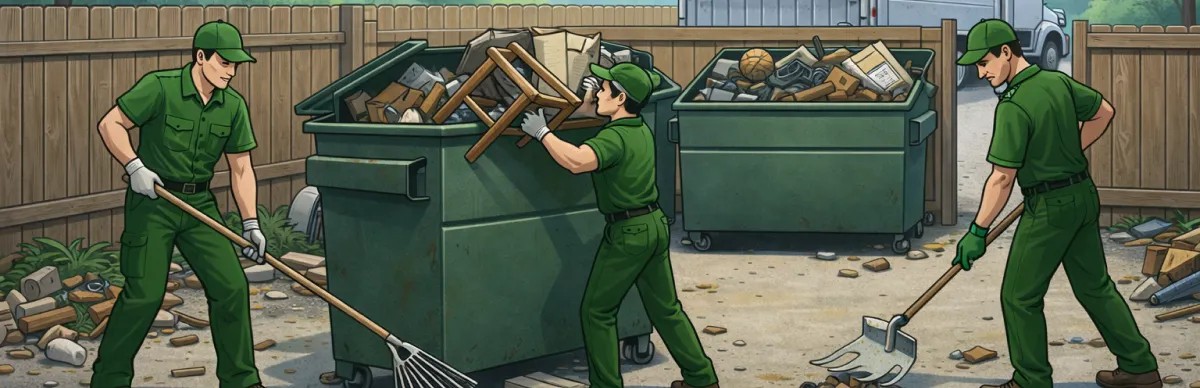
Basement and attic cleaning projects in Decatur often generate substantial volumes of accumulated household items, old furniture, and miscellaneous debris requiring proper disposal coordination. The City of Decatur's Public Works Department oversees sanitation services, including bulk waste collection for residential properties. Residents undertaking large-scale cleanouts should be aware of the following municipal requirements:
- Bulk item collection must be scheduled in advance through the Public Works Department; items should not be placed curbside without prior arrangement
- Acceptable bulk items typically include old furniture, non-functioning appliances (with refrigerant properly removed), and boxed household goods
- Prohibited curbside items include hazardous waste, construction debris, tires, and electronics, which require separate disposal channels
- Collection preparation requires items to be placed at the curb in an accessible location, not blocking sidewalks or storm drains
- Volume limitations may apply to single-pickup requests; larger cleanout projects may require multiple scheduled collections
Residents should contact Public Works before beginning any major basement or attic cleanout to confirm scheduling availability and item eligibility.
Decatur Public Works Department
128 E Trinity Place, Decatur, GA 30030
Phone: (404) 370-4100
Official Website: Decatur Public Works Department
Hazardous Material Identification During Basement and Attic Cleaning in Decatur Homes
Many Decatur residences were constructed before 1978, making basement and attic spaces potential sources of hazardous materials that require specialized handling during cleanouts. The EPA Renovation, Repair, and Painting Rule mandates lead-safe work practices in pre-1978 structures when disturbance of painted surfaces is anticipated. Attic spaces in older homes may also contain vermiculite insulation potentially contaminated with asbestos. Key safety considerations include:
- Lead paint: Any scraping, sanding, or demolition of painted surfaces in pre-1978 homes requires EPA-certified lead-safe practices
- Asbestos-containing materials: Pipe insulation, floor tiles, and vermiculite insulation found in basements and attics must be tested before disturbance; licensed abatement contractors are required for friable asbestos removal
- Mold and moisture damage: Basements prone to water intrusion may harbor mold growth on stored items, drywall, and framing
- Pesticide residues: Old chemical containers, rodent poisons, and pesticide-treated materials must be handled as household hazardous waste
- Mercury-containing items: Old thermostats, thermometers, and fluorescent bulbs require separate hazardous waste disposal
DeKalb County periodically hosts Household Hazardous Waste collection events where Decatur residents can dispose of paints, solvents, batteries, and chemical products at no charge. The Georgia Environmental Protection Division regulates hazardous waste handling statewide under the Georgia Hazardous Waste Management Act.
Decatur Permit and Code Compliance Requirements for Structural Cleanout Projects
Basement and attic cleaning projects that involve structural modifications, electrical work, or removal of built-in fixtures may trigger permit requirements through Decatur's Community Development Department. Even projects that begin as simple cleanouts can escalate when deteriorated conditions, water damage, or code violations are discovered. Residents should understand the following regulatory framework:
- Building permits are required when cleanout work involves removing or altering walls, plumbing, electrical wiring, or HVAC components discovered during the cleaning process
- Historic preservation review may apply in Decatur's designated historic districts; exterior modifications and certain interior structural changes require approval through the Decatur Planning Department
- Code enforcement coordination is advisable when basement or attic conditions reveal fire safety hazards, unpermitted construction, or structural deficiencies
- Stormwater compliance must be maintained during debris removal; materials should not be staged where runoff could carry contaminants into Decatur's stormwater management system
- Demolition debris generated from removing built-in shelving, old paneling, or damaged subflooring must be separated from general household waste
Decatur Community Development Department
128 E Trinity Place, Decatur, GA 30030
Phone: (404) 370-4100
Official Website: Decatur Community Development
Georgia's Solid Waste Regulations and Recycling Requirements for Cleanout Materials
Basement and attic cleanouts in Decatur must comply with Georgia's Solid Waste Management Act (O.C.G.A. § 12-8-20) and associated regulations administered by the Georgia Environmental Protection Division. Georgia law establishes disposal standards that affect how materials removed from residential cleanouts are handled, transported, and processed. Important state-level requirements include:
- Landfill disposal restrictions: Lead-acid batteries, used motor oil, and tires are prohibited from municipal solid waste landfills in Georgia
- Electronics disposal: While Georgia does not currently enforce a comprehensive e-waste landfill ban, the GA EPD encourages electronics recycling through designated collection programs
- Appliance refrigerant recovery: Refrigerators, air conditioners, and dehumidifiers found in basements must have refrigerants recovered by an EPA Section 608-certified technician before disposal
- Scrap tire management: Old tires stored in basements or attics must be disposed of through licensed tire retailers or permitted scrap tire carriers
- Transporter requirements: Commercial haulers removing cleanout debris must hold appropriate solid waste handling permits issued by GA EPD
Georgia Environmental Protection Division
2 Martin Luther King Jr. Drive SE, Suite 1456 East, Atlanta, GA 30334
Phone: (404) 656-4713
Official Website: Georgia Environmental Protection Division
Recycling, Donation, and Diversion Options for Decatur Basement and Attic Items
Before disposing of items removed during basement and attic cleaning, Decatur residents should evaluate opportunities for recycling, donation, and material recovery. The Decatur Environmental Sustainability Board promotes waste diversion and environmental stewardship initiatives that align with responsible cleanout practices. Practical diversion strategies include:
- Furniture and household goods donation: Organizations such as Habitat for Humanity ReStore in the greater Atlanta area accept usable furniture, tools, and building materials; items must be in functional condition
- Electronics recycling: Computers, monitors, printers, and televisions should be taken to certified e-waste recyclers rather than placed in regular waste streams; DeKalb County offers periodic electronics collection events
- Scrap metal recovery: Old water heaters, metal shelving, pipes, and appliances contain recyclable metals that scrap yards will accept, often at no charge
- Textile recycling: Old clothing, linens, and fabric items found in attic storage can be diverted through textile recycling drop-off bins located throughout the Decatur area
- Book and media donations: Libraries, schools, and charitable organizations accept books, records, and media in good condition
- Cardboard and paper recycling: Boxes and paper materials should be separated and placed in Decatur's curbside recycling program rather than disposed of as trash
Sorting materials before removal reduces landfill impact and may lower overall disposal costs for large cleanout projects.
What Neighborhoods Do We Serve Throughout Decatur, GA?
- Oakhurst: This historic neighborhood features early 20th-century bungalows and Craftsman-style homes with original basements and attic spaces. Narrow interior stairways and low attic clearances require careful navigation during cleanouts, and homes built before 1950 may contain lead paint or asbestos insulation.
- Winnona Park: Characterized by mid-century ranch homes and split-levels with partially finished basements. Many properties have accumulated decades of stored items; wide residential streets and driveway access generally accommodate removal vehicles without difficulty.
- Great Lakes: A residential area with a mix of renovated and original-condition homes. Basement moisture issues are common due to local topography, requiring mold assessment during cleanout projects. Tree-lined streets may limit overhead clearance for larger trucks.
- Lenox Place: Features a blend of historic and newer construction near downtown Decatur. Properties in the historic overlay district may require coordination with the Decatur Planning Department if cleanout work reveals structural issues necessitating permits.
- MAK Historic District: One of Decatur's designated historic areas with homes dating to the early 1900s. Attic and basement spaces often contain original architectural elements that may require preservation consideration. Access through narrow hallways and steep staircases is typical.
- Glennwood Estates: A neighborhood of mid-century homes with full basements commonly used for long-term storage. Cul-de-sac street layouts provide adequate staging areas for debris removal, and most properties offer direct basement access through exterior doors.