
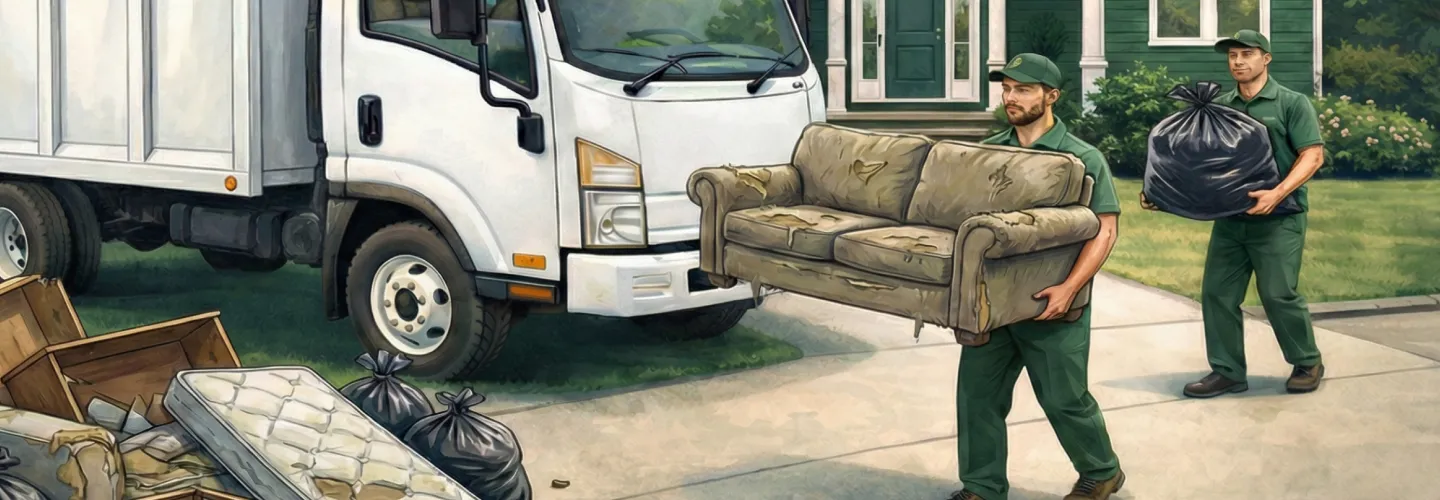
Decatur Construction Debris Removal Services
Choose our construction debris removal for fast, reliable service that keeps your site safe, compliant, and ready for the next phase—saving you time and hassle.
Get a Free QuoteOur Decatur Junk Removal Services
Construction Debris Removal in Decatur, GA – Local Service Guide
Construction debris removal in Decatur, GA is essential for keeping homes and businesses safe, clean, and compliant with local regulations. In neighborhoods like Oakhurst and Winnona Park, residents often need debris removal after renovations, storm damage, or seasonal cleanouts. For residential items such as old appliances, mattresses, or hot tubs, triggers include home upgrades, moving, or replacing worn-out items. Many opt to donate or recycle usable goods, while larger items may require special pickup or drop-off at designated facilities. Access and weather—especially during rainy seasons—can impact scheduling and logistics.
Residential spaces like garages, basements, and yards often accumulate debris after storms or during spring and fall cleanouts. Areas prone to flooding or with heavy tree coverage, such as near Glenlake Park, may require more frequent service. Commercial clients in downtown Decatur, including restaurants and offices, face unique needs—timing removals to minimize business disruption and handling larger volumes. Specialty services, such as dumpster rentals or estate cleanouts, demand careful planning and coordination, especially for foreclosures or hoarding situations. For guidance on local rules and disposal options, visit the Decatur Public Works Department.
Key Considerations for Construction Debris Removal in Decatur
- Timing removals around weather and local events
- Securing necessary permits for large projects
- Using approved disposal and recycling channels
- Ensuring clear access for trucks and crews
- Estimating debris volume accurately
- Coordinating with city schedules and property managers
Benefits of Construction Debris Removal in Decatur
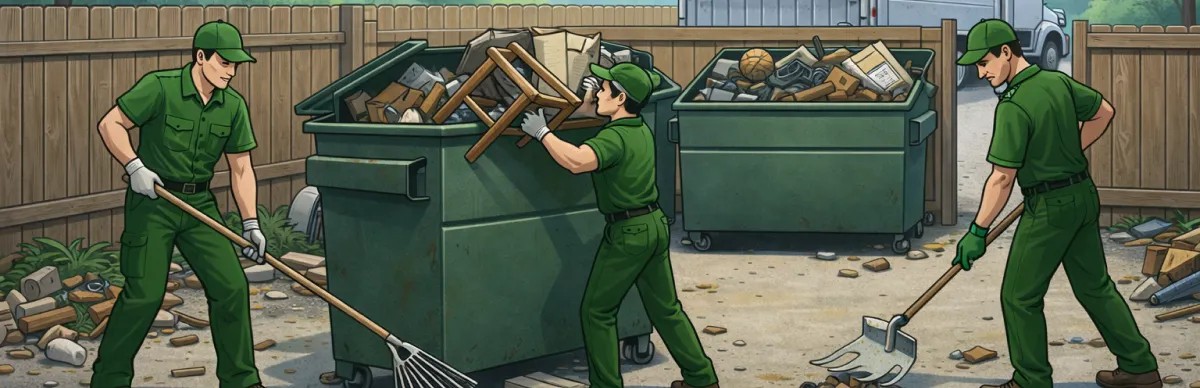
Fast and Reliable Cleanup
Safe Job Site Practices
Eco-Friendly Disposal Solutions
Cost-Effective Debris Removal
Experienced Local Professionals
Flexible Scheduling Options
Coordinating Construction Debris Removal with Decatur's Public Works and Sanitation Services
Construction and demolition (C&D) debris generated from renovation, remodeling, or demolition projects in Decatur must be managed in accordance with municipal solid waste regulations. The Decatur Public Works Department oversees sanitation services, street maintenance, and stormwater infrastructure, all of which intersect with debris removal operations. Residents and contractors should be aware of the following requirements:
- Curbside collection through the city's regular sanitation service does not typically accept C&D materials such as lumber, drywall, concrete, or roofing shingles
- Private hauling is generally required for construction debris; haulers must comply with city ordinances regarding truck routes, load securing, and operating hours
- Stormwater protection measures must be maintained during debris removal to prevent sediment and pollutants from entering the municipal drainage system
- Noise ordinances in Decatur restrict heavy equipment and truck operations during early morning and late evening hours in residential areas
Contractors and property owners should contact Public Works before initiating large-scale debris removal to confirm scheduling and compliance obligations.
Decatur Public Works Department
128 E Trinity Place, Decatur, GA 30030
Phone: (404) 370-4100
Official Website: Decatur Public Works Department
Decatur Building Permits and Code Compliance for Renovation and Demolition Debris
Any construction, renovation, or demolition project generating debris in Decatur requires proper permitting through the city's Community Development Department. Building permits ensure that waste generated during a project is handled, sorted, and disposed of in compliance with local and state regulations. Key permitting and code compliance considerations include:
- Building permits are required for structural demolition, major renovations, and additions; permit applications are reviewed by the Decatur Planning Department
- Demolition permits require documentation of asbestos surveys for structures built before 1980, in accordance with federal and state regulations
- Code enforcement officers may inspect active construction sites to verify that debris is properly contained and not creating public nuisance conditions
- Historic district projects within Decatur's designated historic areas require additional review and approval from the Historic Preservation Commission before demolition or renovation debris removal begins
- Site cleanliness standards mandate that debris must not accumulate on sidewalks, rights-of-way, or adjacent properties during active construction
Decatur Community Development Department
128 E Trinity Place, Decatur, GA 30030
Phone: (404) 370-4100
Official Website: Decatur Community Development
Georgia's Solid Waste Management Act and Construction Debris Disposal Requirements
Construction and demolition debris disposal in Decatur is governed at the state level by the Georgia Comprehensive Solid Waste Management Act (O.C.G.A. § 12-8-20) administered by the Georgia Environmental Protection Division (GA EPD). This legislation establishes the regulatory framework for how C&D waste must be handled, transported, and disposed of throughout the state. Important state-level requirements include:
- C&D landfills are classified separately from municipal solid waste landfills under Georgia regulations; construction debris must be directed to facilities permitted to accept such materials
- Prohibited materials including asbestos, lead-based paint waste, and chemically treated wood require special handling and cannot be disposed of in standard C&D landfills
- Hauler requirements mandate that commercial waste transporters maintain proper licensing and direct loads to permitted disposal facilities
- Illegal dumping of construction debris carries penalties including fines and potential criminal charges under Georgia law
- Manifest documentation may be required for certain hazardous construction materials, particularly asbestos-containing materials regulated under the EPA's NESHAP standards
Georgia Environmental Protection Division
2 Martin Luther King Jr. Drive SE, Suite 1456, Atlanta, GA 30334
Phone: (404) 656-4713
Official Website: Georgia Environmental Protection Division
Material Sorting and Recycling Mandates for Decatur Construction Projects
Decatur's commitment to environmental sustainability, guided in part by the Environmental Sustainability Board, extends to construction debris management. Proper sorting and recycling of C&D materials reduces landfill burden and supports resource recovery. Construction debris typically includes multiple recyclable material streams that should be separated before disposal:
- Concrete, brick, and masonry can be crushed and recycled as aggregate for road base and fill material at permitted recycling facilities in the greater Atlanta metro area
- Scrap metal including steel framing, copper wiring, aluminum flashing, and iron fixtures should be separated for recycling at licensed scrap metal processors
- Clean wood that is unpainted and untreated may be accepted at wood recycling or mulching facilities; treated or painted wood requires separate disposal
- Roofing shingles (asphalt) are accepted at select recycling facilities for processing into road paving material
- Drywall and gypsum board recycling is available at certain facilities, though contaminated or painted drywall may face restrictions
- Cardboard and packaging from construction materials should be separated and recycled through standard recycling channels
Contractors working in Decatur are encouraged to implement on-site sorting to maximize diversion from landfills and comply with evolving waste reduction goals.
Stormwater Protection and Hazardous Material Handling During Debris Removal in Decatur
Construction debris removal activities in Decatur must comply with stormwater management regulations to protect local waterways and drainage infrastructure. The city's Stormwater Management Program enforces pollution prevention requirements that directly affect how debris is staged, loaded, and transported from construction sites. Additionally, older structures in Decatur may contain hazardous materials requiring specialized handling:
- Erosion and sediment control measures must remain in place during debris removal; disturbing these controls may result in code violations and fines
- Lead-based paint is common in structures built before 1978; debris containing lead paint must be handled in accordance with the EPA Renovation, Repair, and Painting Rule by certified renovators
- Asbestos-containing materials found in insulation, floor tiles, and siding from pre-1980 buildings require licensed abatement and separate disposal at approved facilities
- Chemical containers such as paint cans, solvents, adhesives, and sealants found during demolition are classified as hazardous waste and must not be mixed with general C&D debris
- Decatur's tree canopy protections under the Tree Canopy Conservation Ordinance require that debris removal equipment and staging areas do not damage protected trees on or adjacent to the project site
Decatur Engineering Division
128 E Trinity Place, Decatur, GA 30030
Phone: (404) 370-4100
Official Website: Decatur Engineering Division
What Neighborhoods Do We Serve Throughout Decatur, GA?
- Oakhurst: This historic neighborhood features early 20th-century bungalows and Craftsman-style homes frequently undergoing renovation. Narrow residential streets and mature tree canopy may limit truck access and require careful equipment staging during debris removal operations.
- Winnona Park: Characterized by single-family homes on tree-lined streets, renovation projects here often generate moderate volumes of C&D debris. Proximity to schools and parks necessitates heightened safety measures and restricted hauling schedules during school hours.
- MAK Historic District: As a designated historic area, demolition and renovation projects require Historic Preservation Commission review. Construction debris removal must account for additional permitting timelines and material salvage considerations for historically significant architectural elements.
- Lenox Place: This neighborhood includes a mix of older residences and newer infill construction. Varying lot sizes and driveway configurations require advance planning for debris staging and truck positioning.
- Glennwood Estates: Larger residential lots in this area accommodate construction equipment more readily, though stormwater management requirements remain critical given the neighborhood's proximity to drainage corridors.
- Downtown Decatur: Mixed-use commercial and residential properties in the downtown core present unique access challenges including limited parking, pedestrian traffic, and coordination with adjacent businesses during debris hauling operations. Right-of-way considerations and operating hour restrictions apply.