
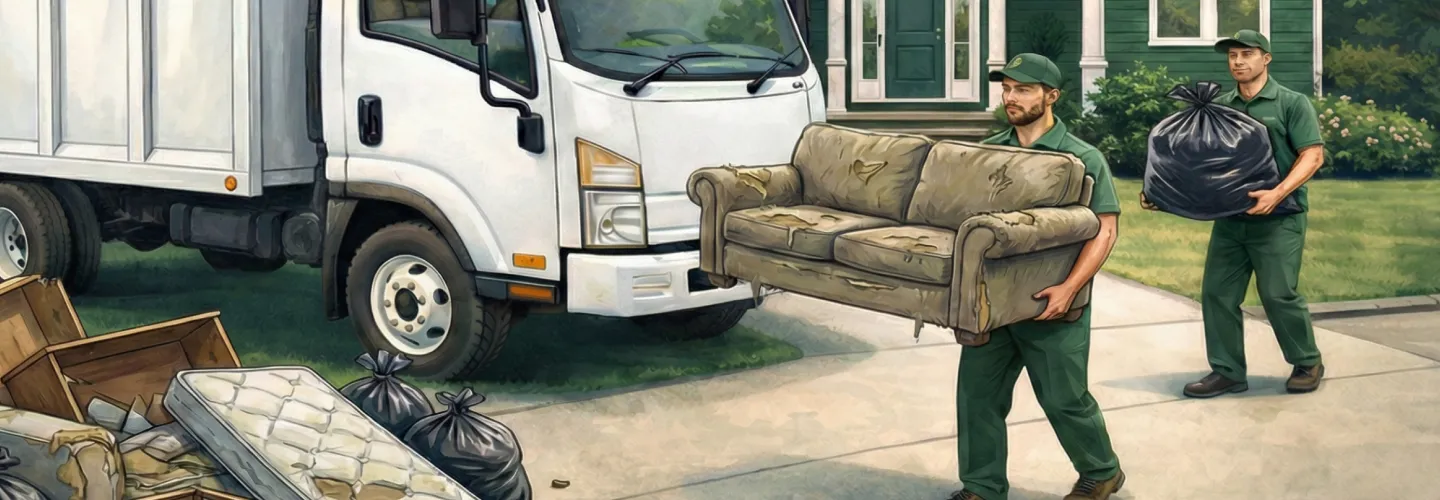
Decatur Regular Trash Pickup Services
Choose our Regular Trash Pickup for dependable, hassle-free service that keeps your property clean and your schedule worry-free—experience the convenience and peace of mind that comes with a trusted local team.
Get a Free QuoteOur Decatur Junk Removal Services
Regular Trash Pickup in Decatur, GA – Local Service Guide
Regular trash pickup in Decatur, GA is essential for maintaining clean, healthy neighborhoods like Oakhurst, Winnona Park, and Glenwood Estates. For residential items such as furniture, mattresses, appliances, and electronics, pickups often coincide with seasonal cleanouts, home renovations, or after major life events. Residents can donate usable items, recycle electronics, or schedule bulk disposal through city services. Weather and property access—especially in areas with dense tree coverage or narrow driveways—can affect logistics and timing.
For residential spaces, yard waste and trash pickup needs increase during spring and fall due to yard cycles and storm debris. Flood-prone zones may require more frequent service. Commercial clients in downtown Decatur, East Decatur Station, and along College Avenue face unique demands: restaurants and offices need discreet, timely pickups to manage high volumes and comply with health codes. Specialty services, such as dumpsters for construction or estate cleanouts, require advance planning and coordination, especially for properties with limited access or during large-scale renovations.
Benefits of Regular Trash Pickup in Decatur
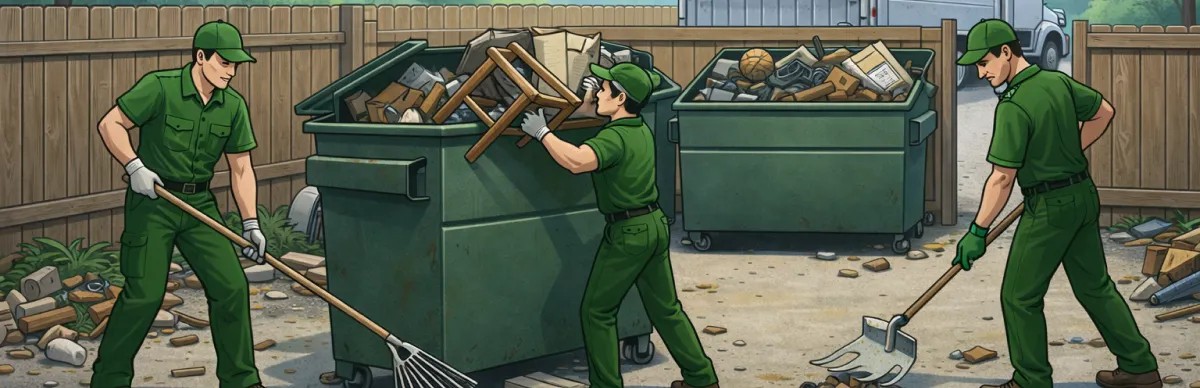
Consistent Waste Removal
Improved Neighborhood Cleanliness
Reliable Scheduling
Eco-Friendly Disposal Practices
Enhanced Property Value
Convenient Service Options
Coordinating Weekly Curbside Trash Collection with Decatur's Public Works Department
Decatur's regular trash pickup program is administered through the city's Public Works Department, which oversees residential sanitation services for all households within city limits. Residents must adhere to specific preparation and placement guidelines to ensure timely collection and avoid code enforcement issues.
- Cart placement: Roll carts must be placed at the curb by 6:00 AM on the designated collection day with handles facing the residence and lids fully closed
- Cart positioning: Carts should be at least 3 feet apart from other carts, mailboxes, vehicles, and utility poles
- Acceptable materials: Household garbage, non-recyclable packaging, food waste (bagged), and small household items
- Prohibited overflow: Trash must fit inside the city-issued cart with the lid fully closed; loose bags placed beside the cart may not be collected
- Missed pickups: Residents should report missed collections within 24 hours of the scheduled pickup day
Residents who need to replace a damaged or stolen cart should contact Public Works directly to arrange a swap.
Decatur Public Works Department
128 E Trinity Place, Decatur, GA 30030
Phone: (404) 370-4100
Official Website: Decatur Public Works Department
Prohibited Materials and Hazardous Waste Restrictions for Decatur Trash Carts
Georgia's Solid Waste Management Act (O.C.G.A. § 12-8-20 et seq.) establishes statewide standards for waste classification and disposal, and Decatur enforces additional local restrictions on what may be placed in residential trash carts. Certain materials are strictly prohibited from regular curbside collection due to environmental and public health hazards.
- Hazardous chemicals: Paints, solvents, pesticides, motor oil, and antifreeze must be taken to a designated household hazardous waste collection event
- Electronics: Computers, televisions, and monitors should not be placed in trash carts; DeKalb County offers periodic e-waste collection events
- Batteries: Lead-acid and lithium-ion batteries are banned from landfill disposal under federal and state regulations
- Appliances with refrigerants: Refrigerators, freezers, and air conditioning units require EPA Section 608-compliant refrigerant recovery before disposal
- Medical waste: Needles, syringes, and biohazard materials require special handling through approved medical waste programs
- Tires: Not accepted in regular trash; must be taken to an authorized tire recycler
Violations of prohibited material restrictions may result in collection refusal and potential code enforcement action. The Georgia Environmental Protection Division provides additional guidance on proper disposal channels for restricted materials.
Decatur's Recycling Requirements and Curbside Sorting Obligations
Decatur provides single-stream recycling collection alongside regular trash pickup, and residents are expected to participate in the city's recycling program to support landfill diversion goals. The Decatur Environmental Sustainability Board advises on conservation initiatives and waste reduction strategies that shape local recycling policy.
- Accepted recyclables: Paper, cardboard, aluminum and steel cans, glass bottles and jars, and plastics labeled #1 through #7
- Preparation: All containers must be rinsed clean; cardboard should be flattened and placed inside the recycling cart
- Contamination: Food-soiled paper products, plastic bags, Styrofoam, and tanglers (hoses, cords, chains) must be kept out of recycling carts
- Cart usage: Recyclables must be placed loose inside the cart — do not bag recyclable materials in plastic bags
- Yard waste separation: Grass clippings, leaves, and brush must be separated from both trash and recycling and placed in designated yard waste containers or kraft paper bags
Contaminated recycling loads may be rejected at the processing facility, resulting in the entire cart being treated as trash. Residents should consult the city's accepted materials list for current guidelines.
Yard Waste Collection Schedules and Stormwater Compliance in Decatur
Decatur's yard waste collection operates on a separate schedule from regular trash and recycling pickup. Proper yard waste management is closely tied to the city's stormwater management program, as improperly disposed organic debris can clog storm drains and contribute to localized flooding and water quality degradation.
- Collection containers: Yard waste must be placed in kraft paper bags or a city-approved yard waste cart; plastic bags are not accepted
- Brush and limbs: Branches must be cut to 4 feet or shorter and bundled with twine; bundles should not exceed 50 pounds
- Prohibited items: Stumps, rocks, dirt, and construction lumber are not accepted as yard waste
- Placement: Yard waste must be placed curbside by 6:00 AM on the scheduled collection day, separate from trash and recycling carts
- Seasonal volume: During peak leaf season (October through December), additional collection passes may be scheduled; residents should monitor city announcements
The city's Tree Canopy Conservation Ordinance may also affect tree removal and associated debris disposal, requiring permits before significant tree work is performed on residential properties.
Decatur Engineering Division
128 E Trinity Place, Decatur, GA 30030
Phone: (404) 370-4100
Official Website: Decatur Engineering Division
How Does Decatur Handle Bulk Waste and Oversized Item Pickup Requests?
Items that do not fit inside standard trash carts require separate arrangements through Decatur's bulk waste collection program. Residents should not place large items at the curb without first scheduling a pickup, as unauthorized curbside placement may result in code enforcement citations.
- Scheduling: Residents must contact the Public Works Department in advance to schedule bulk item collection; same-day requests are generally not accommodated
- Accepted bulk items: Furniture, mattresses, large appliances (with refrigerant properly removed), and other oversized household items
- Item limits: There may be limits on the number of bulk items collected per pickup; confirm allowances when scheduling
- Preparation: Items must be placed at the curb in an accessible location, not blocking sidewalks, fire hydrants, or stormwater drainage infrastructure
- Prohibited bulk items: Construction and demolition debris, hazardous materials, and automotive parts are not eligible for bulk collection
For items in reusable condition, residents are encouraged to explore donation options before scheduling disposal. Large renovation or demolition projects generating significant debris volumes should be coordinated through the Decatur Community Development department, which oversees building permits and may require waste management plans for substantial projects.
Decatur Community Development Department
128 E Trinity Place, Decatur, GA 30030
Phone: (404) 370-4100
Official Website: Decatur Community Development
What Neighborhoods Do We Serve Throughout Decatur, GA?
- Oakhurst: One of Decatur's most established neighborhoods featuring early 20th-century bungalows and Craftsman homes on tree-lined streets. Mature tree canopy may occasionally affect cart placement near the curb, and residents should ensure carts are clear of low-hanging branches on collection days.
- Winnona Park: A residential neighborhood with single-family homes and winding streets. Some sections feature narrow roadways that require careful cart positioning to avoid obstructing traffic flow during collection vehicle passes.
- Great Lakes: This neighborhood includes a mix of mid-century ranch homes and newer infill construction. Varied lot sizes and driveway configurations mean residents should confirm proper cart setback distances from parked vehicles and mailboxes.
- Lenox Place: A compact neighborhood near downtown Decatur with smaller lots and limited curbside space. Residents in this area should coordinate cart placement to maintain sidewalk accessibility and comply with ADA clearance requirements.
- MAK Historic District: Properties within this designated historic district may face additional considerations for exterior waste storage and cart visibility. Residents should consult the Decatur Planning Department regarding any aesthetic or placement guidelines specific to historic preservation zones.
- Glennwood Estates: A neighborhood of single-family homes with wider streets and generous setbacks, allowing straightforward curbside cart placement. Yard waste volumes tend to be higher due to larger lot sizes and mature landscaping.